
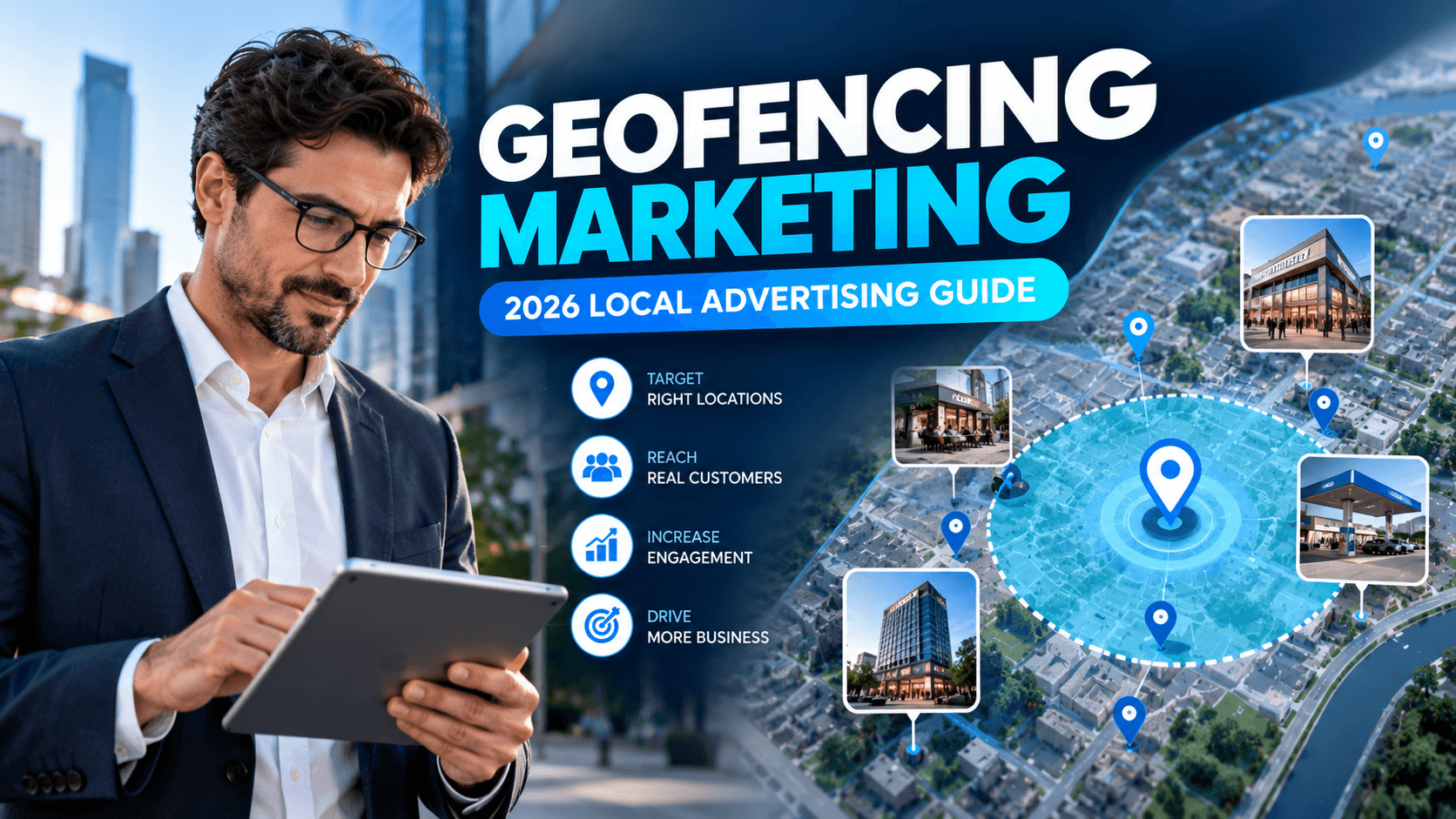
Geofencing Marketing in 2026: How Businesses Can Reach Customers at the Right Place
What if your business could reach potential customers based on where they are? Geofencing marketing allows businesses to create location-based advertising campaigns designed to reach relevant audiences in specific geographic areas.
Digital advertising has become increasingly targeted.
Businesses no longer have to show the same advertisement to everyone. They can target audiences based on interests, behavior, demographics and, increasingly, location.
This is where geofencing marketing becomes valuable.
Instead of simply asking who your potential customers are, geofencing allows businesses to consider where potential customers are and create campaigns around those locations.
For local businesses, this can create a powerful connection between digital advertising and real-world customer behavior.
What Is Geofencing Marketing?
Geofencing marketing is a location-based advertising strategy that uses a virtual geographic boundary around a specific physical area.
When people enter or interact with that defined area using a compatible device, they may become part of an advertising audience, depending on the platform, permissions and campaign setup.
Businesses can use geofencing around locations such as:
- Competitor businesses
- Shopping centers
- Events
- Airports
- Dealerships
- Business districts
- Universities
- Hospitals
- Tourist destinations
The goal is to reach people who are physically relevant to the business.
Why Geofencing Matters in 2026
Traditional advertising often focuses on reaching as many people as possible.
Geofencing takes a different approach: reach people in relevant places.
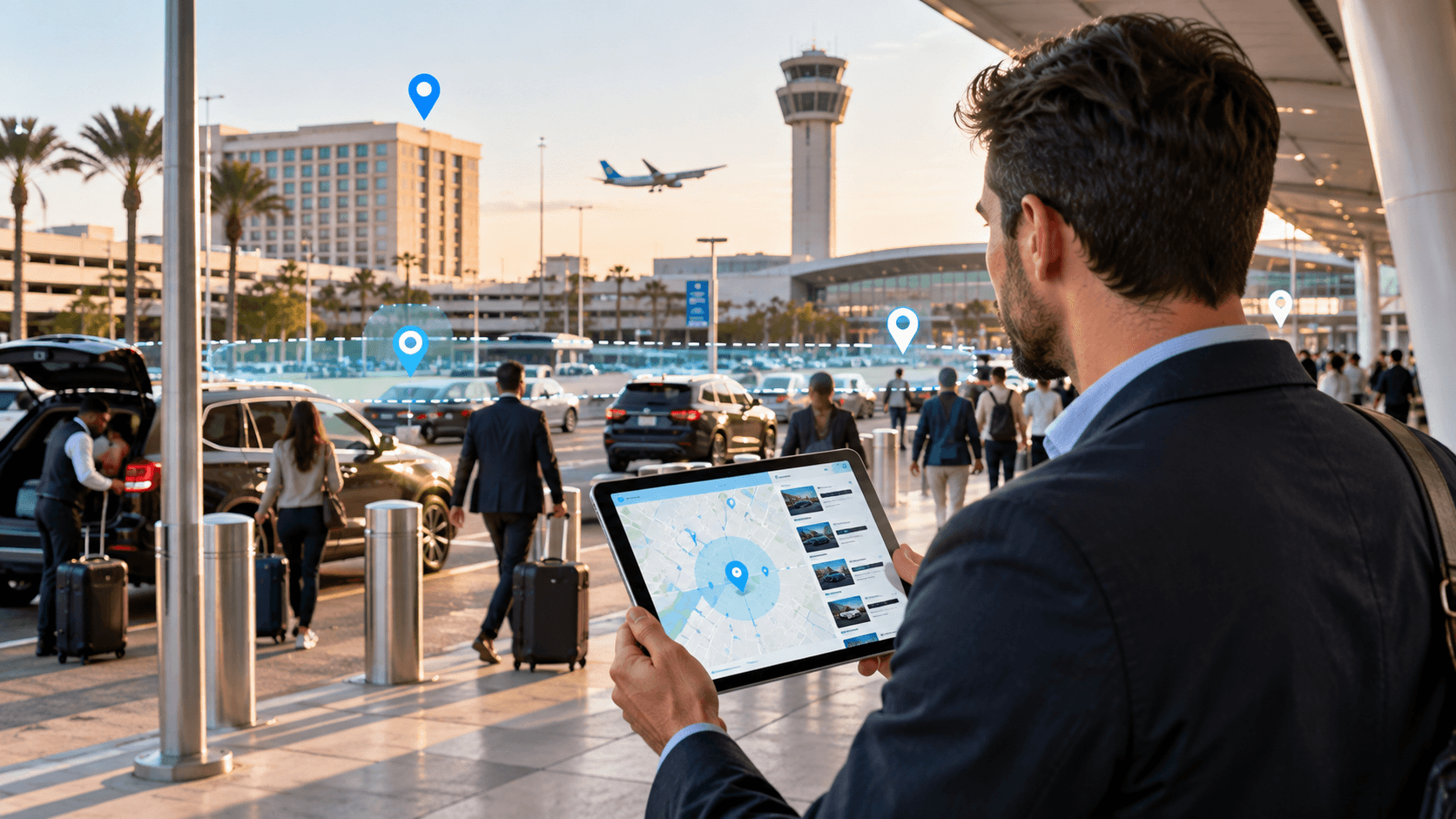
For example, a car rental company could target an area around an airport. A dealership could build a campaign around a competing dealership. A restaurant could advertise around nearby entertainment venues.
This creates an opportunity to connect advertising with real-world intent.
How Geofencing Advertising Works
A typical campaign can be divided into several steps.
1. Define the Target Location
The business identifies the physical locations that matter to its campaign.
This could be a competitor's location, a commercial district, an event venue or another relevant area.
2. Create the Audience Strategy
The campaign is designed around the type of customer the business wants to reach.
Location is only one part of the strategy. Audience characteristics, campaign objectives and advertising platforms can also influence targeting.
3. Deliver Relevant Advertising
Once the campaign is active, eligible users may be served advertisements through supported digital channels.
The creative should be highly relevant to the location and customer context.
4. Measure Results
Businesses can analyze campaign performance through metrics such as impressions, clicks, conversions and other available attribution signals.
This helps determine whether the campaign is producing meaningful business results.
Geofencing vs. Traditional Local Advertising
Traditional local advertising can be broad.
For example, a business may advertise to everyone within a city or ZIP code.
Geofencing can make the strategy more specific by focusing on particular physical locations.
That difference can be especially useful when the business has a clearly defined local audience.
Instead of simply saying:
“Reach people in this city.”
The strategy becomes:
“Reach relevant audiences around these specific locations.”
Businesses That Can Benefit From Geofencing
Geofencing isn't limited to one industry.
Car Rental & Automotive
Car rental companies can target airports, hotels, transportation hubs and competing rental locations.
Dealerships can use location-based campaigns around automotive shopping areas and competitor locations.
Healthcare
Healthcare organizations can develop location-focused campaigns around relevant community areas and events while following applicable privacy and advertising requirements.
Retail & Restaurants
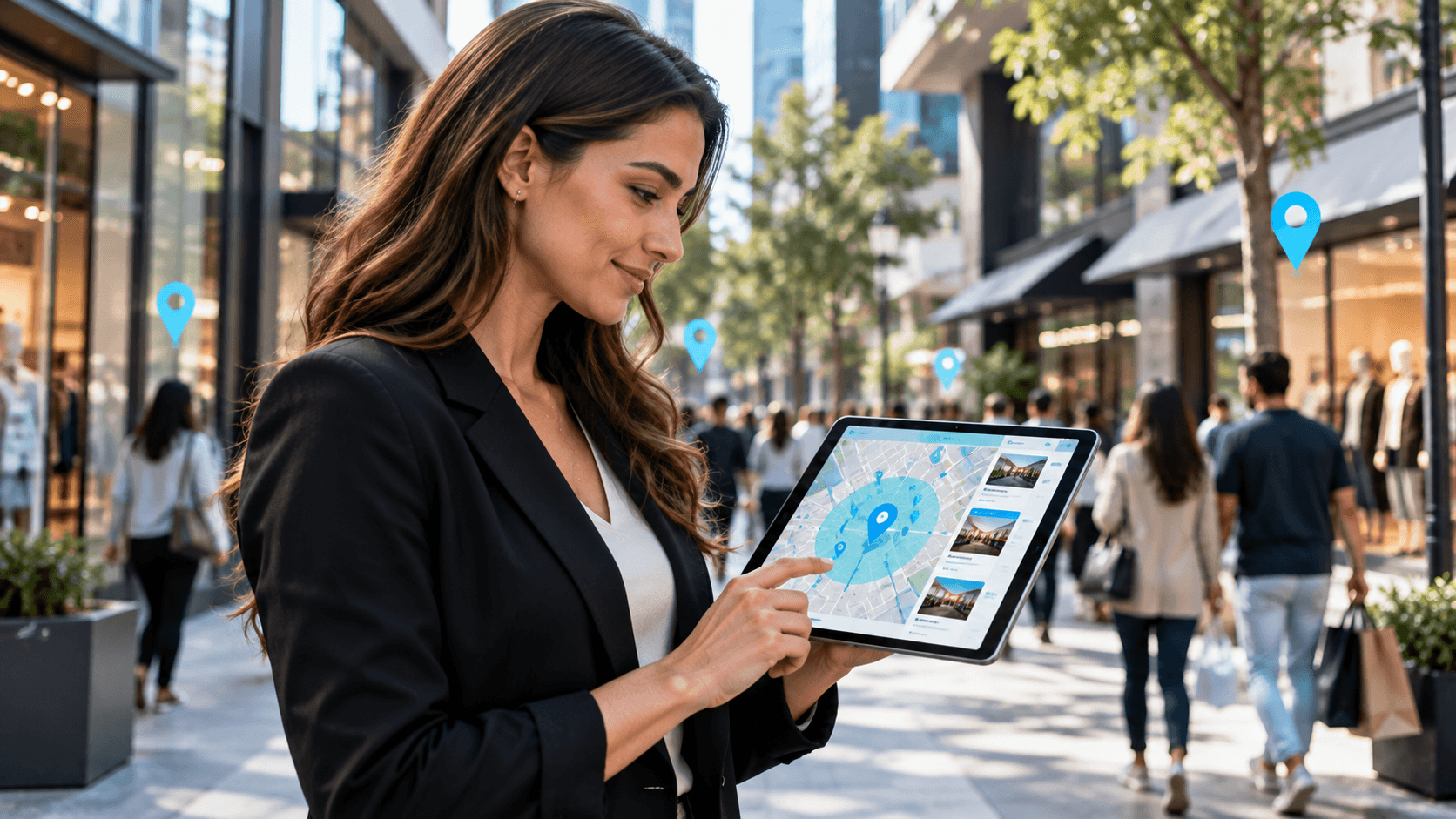
Retailers and restaurants can target shopping centers, entertainment venues and high-traffic areas where potential customers are already spending time.
Travel & Tourism
Travel businesses can use location-based strategies around airports, hotels, attractions and tourism districts to promote relevant services.
Professional Services
Local service providers can use geographic targeting to increase awareness among audiences in their target markets.
Creating Better Geofencing Campaigns
Simply creating a geographic boundary isn't enough.
The campaign still needs strong creative and a clear offer.
Keep the Message Relevant
An advertisement should make sense for the audience and location.
A generic advertisement may receive attention, but a location-relevant message can create stronger interest.
Use a Strong Call to Action
Give users a clear next step.
Examples include:
- Get a Quote
- Book Now
- Call Today
- View Our Services
- Request Information
Connect Ads With Landing Pages
The advertising experience should continue after the click.
A fast, mobile-friendly landing page with a clear message can make it easier for interested users to take action.
Geofencing Should Be Part of a Bigger Strategy
Geofencing works best when it isn't treated as an isolated advertising tactic.
Businesses can combine location-based campaigns with:
- Google Ads
- Social media advertising
- Local SEO
- Google Business Profile optimization
- Email marketing
- Retargeting
- Conversion-focused landing pages
This creates a more complete digital marketing system where different channels support one another.
Final Thoughts
In 2026, successful digital marketing is increasingly about relevance.
Geofencing marketing gives businesses another way to connect digital advertising with real-world locations and customer behavior.
When carefully planned, creatively executed and properly measured, location-based advertising can help businesses reach more relevant audiences and create stronger opportunities for enquiries, visits and conversions.
The key isn't simply targeting a location.
It's targeting the right location with the right message at the right time.
FAQs
What is geofencing marketing?
Geofencing marketing uses virtual geographic boundaries to support location-based advertising campaigns.
Is geofencing useful for small businesses?
Yes. Local businesses can use location-based advertising to focus campaigns on specific areas that are relevant to their customers.
What locations can businesses target?
Depending on the advertising platform, businesses may target areas such as competitors, shopping centers, airports, events and business districts.
Does geofencing replace Google Ads or social media advertising?
No. It can complement other advertising and digital marketing channels as part of a broader strategy.
What makes a geofencing campaign successful?
Strong location selection, relevant creative, a clear offer, effective landing pages and proper performance measurement are all important.