Website Accessibility in 2026: Why Accessible Websites Matter for Business Growth
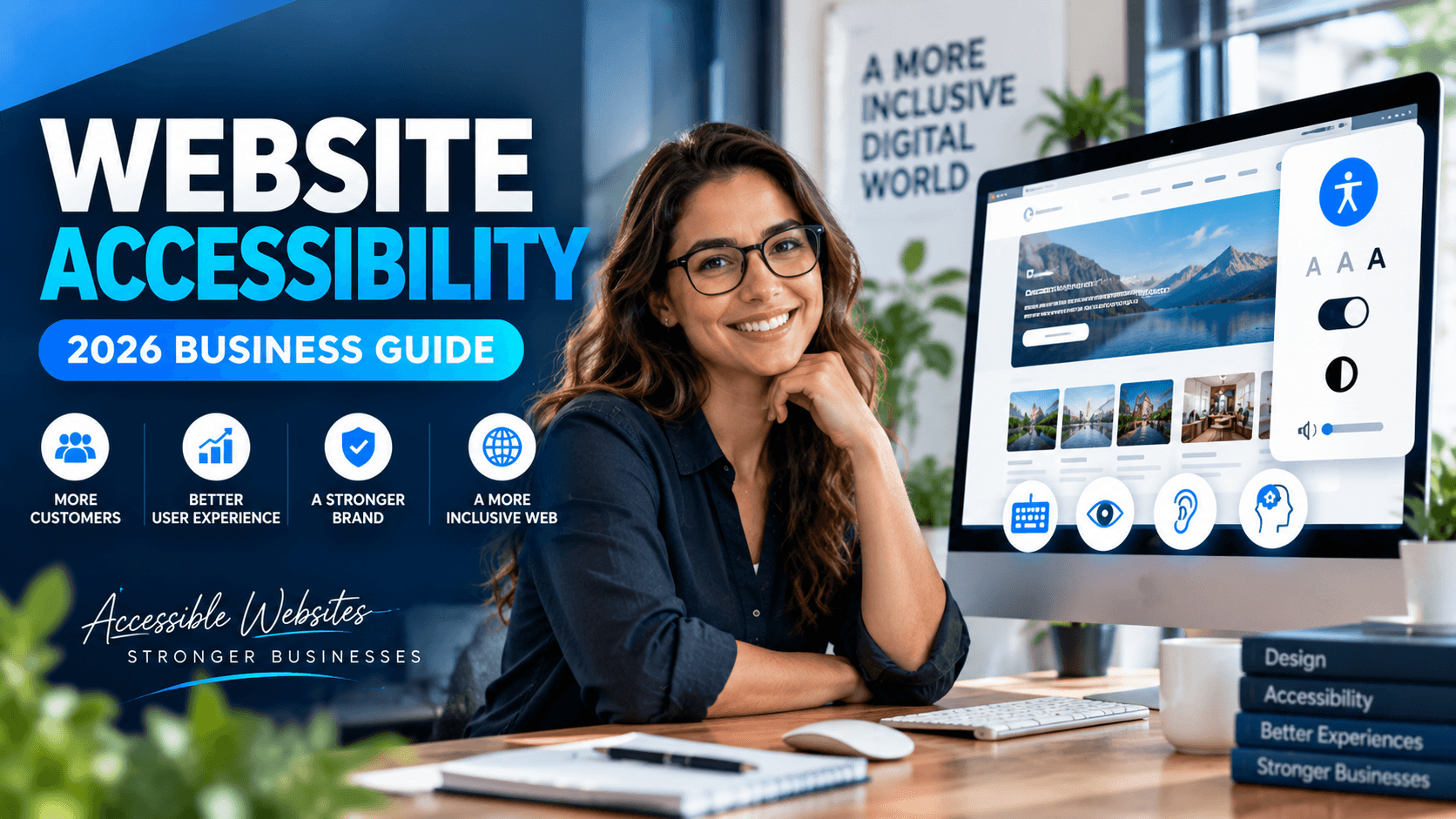
An accessible website is no longer just a design preference. In 2026, businesses that make their websites easier for everyone to use can create better experiences, reach wider audiences and build stronger digital brands.
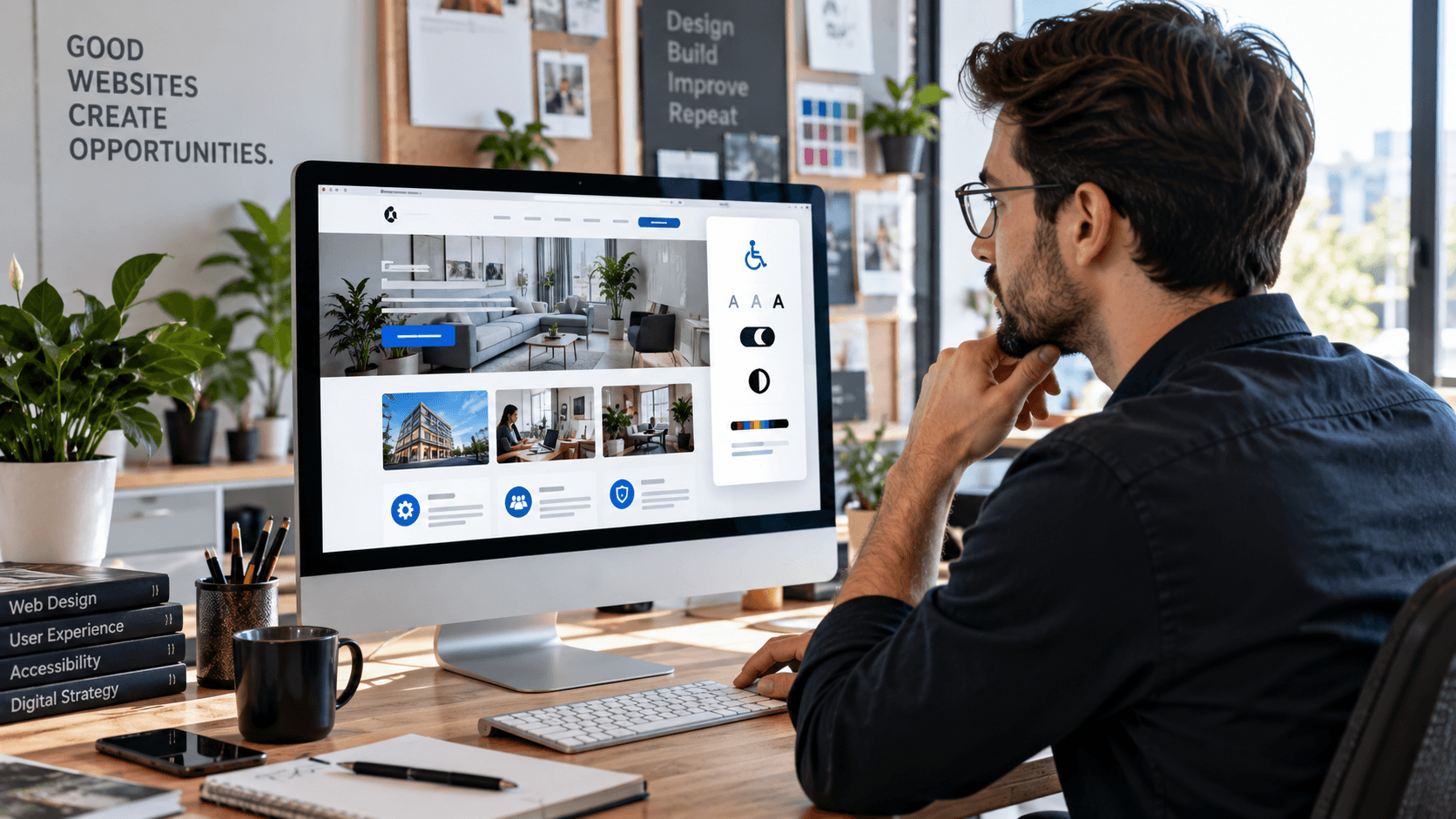

A business website should work for everyone.
Customers may visit your website using different devices, screen sizes and browsing methods. Some may have visual, hearing, mobility or cognitive limitations that affect how they interact with digital content.
That is why website accessibility has become an important part of modern web design.
In 2026, accessibility is not simply about meeting technical requirements. It is about creating a website that is easier to understand, navigate and use—while giving your business the opportunity to serve a wider audience.
What Is Website Accessibility?
Website accessibility means designing and developing a website so that people with different abilities can access and interact with its content.
This can include:
- Clear and readable typography
- Proper color contrast
- Keyboard-friendly navigation
- Descriptive image alternatives
- Accessible forms and buttons
- Captions for important video content
- Logical page structures
- Easy-to-understand navigation
The goal is simple: remove unnecessary barriers between your website and your customers.
Why Accessibility Matters for Businesses
1. Reach More Potential Customers
If visitors struggle to navigate your website, they may leave before contacting your business.
An accessible website creates a more inclusive experience and allows more people to discover your services, understand your content and complete important actions.
That can mean more opportunities for enquiries, bookings, purchases and leads.
2. Improve the User Experience
Accessibility and good user experience often go hand in hand.
A website with clear navigation, readable content, properly structured pages and understandable buttons is generally easier for everyone to use.
Even customers without accessibility needs benefit from these improvements.
For example, someone using a phone in bright sunlight may appreciate stronger contrast, while someone in a noisy environment may benefit from captions on videos.
3. Build a More Professional Brand
Your website represents your business online.
When visitors see a website that feels organized, thoughtful and easy to use, it can create a stronger impression of professionalism.
Accessibility demonstrates that your business is focused on customers rather than simply creating a visually attractive website.
Key Areas of an Accessible Website
Clear Navigation
Visitors should be able to understand where they are and where they can go next.
Keep menus simple, use descriptive labels and maintain a logical page structure.
Readable Content
Avoid overly complicated layouts and extremely small text.
Use appropriate font sizes, sufficient spacing and clear headings so visitors can quickly scan your content.
Strong Color Contrast
Text should be easy to distinguish from its background.
Designers should carefully consider contrast instead of relying only on color to communicate important information.
Accessible Forms
Contact and enquiry forms should be straightforward.
Clearly label fields, provide useful instructions and make error messages easy to understand.
Alternative Text for Images
Important images should have meaningful alternative descriptions where appropriate.
This helps users who rely on screen-reading technology understand the purpose of visual content.
Accessibility Can Also Support SEO
Accessibility and SEO are not the same thing, but they can overlap in useful ways.
Clear headings, descriptive links, structured content, meaningful image descriptions and logical navigation can help both users and search engines understand a website.
The bigger benefit is that accessibility encourages businesses to create better-organized, user-focused websites.
And a website that is easier for people to understand can create a stronger overall digital experience.
How Businesses Can Improve Website Accessibility
You do not necessarily need to redesign your entire website immediately.
Start with a practical audit:
- Test your website on mobile devices.
- Check text and background contrast.
- Review navigation and menus.
- Test whether important functions work with a keyboard.
- Check forms and error messages.
- Review image alternative text.
- Make headings and content structure logical.
- Add captions where video content requires them.
- Remove unnecessary visual clutter.
- Test the website with different users and accessibility tools.
Small improvements can make a noticeable difference.
Accessibility Should Be Part of Your Web Strategy
Accessibility should not be treated as something added at the end of a website project.
It should be considered during planning, design, development and content creation.
For businesses investing in a new website in 2026, accessibility can become part of a broader digital strategy focused on usability, trust, customer experience and sustainable online growth.
Final Thoughts
A modern business website should do more than look good.
It should be usable, understandable and accessible.
By making accessibility part of your website strategy, you can create better experiences for visitors, reach a broader audience and build a stronger digital presence.
In 2026, businesses that design websites around real users—not just visual trends—will be better positioned to turn online visitors into long-term customers.
FAQs
What is website accessibility?
Website accessibility means designing a website so people with different abilities can access, navigate and interact with its content.
Why is website accessibility important in 2026?
It can help businesses create better user experiences, reach more customers and build a more inclusive online presence.
Does website accessibility help SEO?
Accessibility itself is not the same as SEO, but practices such as clear structure, descriptive content and better navigation can support both usability and search visibility.
Should small businesses care about accessibility?
Yes. Accessibility can benefit businesses of every size by making their websites easier for more people to use.