
AI Search Is Changing SEO in 2026: What Businesses Must Do Now
Discover how AI-powered search is transforming SEO in 2026 and learn how businesses can improve visibility, authority, and online growth.

For years, search engine optimization followed a familiar model: businesses published useful content, targeted relevant keywords, earned rankings and attracted visitors through search results.
That model has not disappeared—but it is changing rapidly.
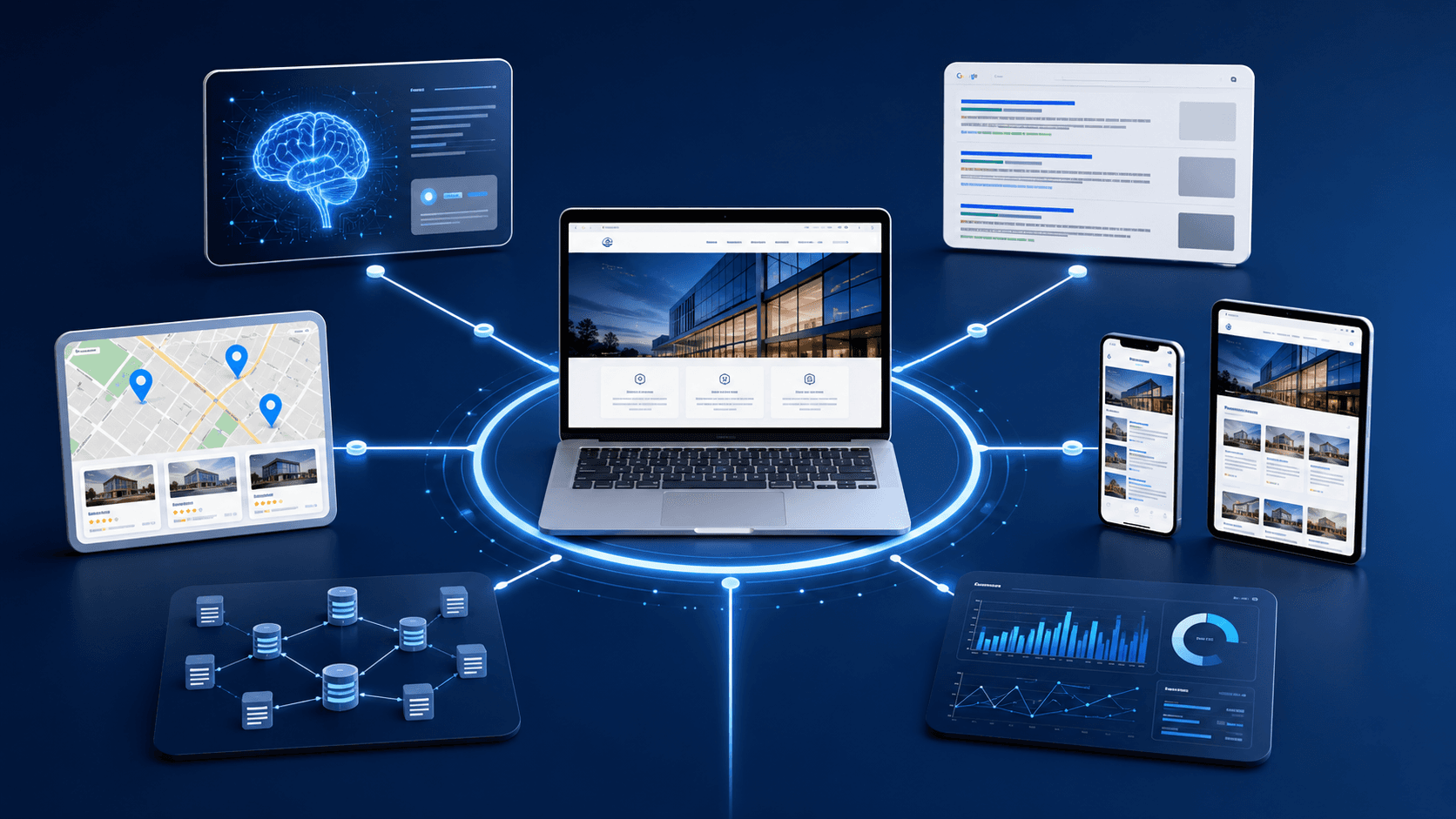
In 2026, people are increasingly receiving complete answers directly from AI-powered search experiences. Google AI Overviews, AI Mode and other generative search tools can summarize information, compare services and answer complex questions before a user visits a website.
This means businesses are no longer competing only for the first position in traditional search results. They are also competing to become trusted sources that search engines and AI platforms can understand, reference and recommend.
Google has confirmed that its generative AI search features are built on existing Search ranking and quality systems. Traditional SEO remains relevant, but businesses now need a broader strategy that combines technical performance, original content, authority, structured information and brand credibility.
At Arrowhead DigiTech, we are helping businesses prepare for this new search environment by improving both conventional search visibility and their readiness for AI-powered discovery.
What Is AI-Powered Search?
Traditional search engines usually provide a list of links related to a user’s query. The user then visits different websites to find the required information.
AI-powered search works differently.
It can review information from multiple sources and generate a direct, conversational answer. It may also suggest products, summarize services, explain complex subjects or help users make decisions without requiring them to open several websites.
For example, instead of searching:
“Best digital marketing company for a small healthcare business”
A user may now ask:
“Which digital marketing services should a small healthcare company prioritize, and how can they improve local visibility without overspending?”
AI search can understand the context behind the question and produce a detailed response containing recommendations, comparisons and supporting sources.
Google describes this process as using technologies such as retrieval-augmented generation and query fan-out. These systems retrieve relevant information from Google’s search index and may perform several related searches to construct a more complete response.
Why AI Search Matters for Businesses
Search visibility has traditionally been measured through rankings, website clicks, impressions and organic traffic.
Those metrics still matter, but they no longer provide the complete picture.
A growing number of searches now end without the user clicking on an external website because the required information appears directly in the search results. Similarweb reported in June 2026 that approximately 68% of Google searches were ending without a click.
These are known as zero-click searches.
A zero-click search does not always mean that a business received no value. A company may still appear in an AI-generated response, local result, business profile, product listing, featured snippet or knowledge panel.
However, it does mean that businesses must rethink how they define SEO success.
The goal is no longer limited to generating the maximum number of clicks. It also includes:
- Building brand visibility
- Becoming a trusted information source
- Appearing in AI-generated answers
- Increasing branded searches
- Strengthening local visibility
- Attracting qualified visitors with stronger intent
- Turning website visits into leads and customers
Is Traditional SEO Becoming Obsolete?
No. Traditional SEO remains the foundation of online visibility.
Google’s official guidance states that existing SEO best practices continue to support visibility in generative AI search because AI-powered search features use Google’s core ranking and quality systems.
A website still needs to be:
- Accessible to search engines
- Properly indexed
- Mobile-friendly
- Fast and secure
- Technically organized
- Relevant to user intent
- Supported by useful and trustworthy content
Without these fundamentals, AI tools may have difficulty discovering, understanding or trusting the website.
The major change is that businesses now need to optimize for both traditional search results and answer-based search experiences.
SEO, AEO and GEO: What Is the Difference?
As AI search has expanded, new marketing terms have become popular.
SEO, or Search Engine Optimization, focuses on improving a website’s visibility in search engines.
AEO, or Answer Engine Optimization, focuses on making content easier for answer-based platforms to understand and present.
GEO, or Generative Engine Optimization, generally refers to improving visibility within generative AI responses.
Although these terms describe different areas of emphasis, Google considers optimization for its generative search experiences part of modern SEO rather than a completely separate discipline.
Businesses should therefore avoid chasing temporary AI optimization tricks. The strongest approach is to build a technically sound website containing clear, reliable, original and well-organized information.
What Type of Content Performs Well in AI Search?
AI-powered search does not eliminate the need for content. It increases the importance of high-quality content.
Generic articles that repeat information already available across hundreds of websites provide limited value. Businesses need to publish material that demonstrates genuine knowledge, industry experience and a clear understanding of customer problems.
Strong content may include:
Original Industry Insights
Businesses should share lessons, observations and information based on real experience rather than simply rewriting existing articles.
Clear Answers to Customer Questions
Content should directly address the questions customers ask during research and before making a purchase.
Detailed Service Information
Each important service should have a dedicated page explaining what it includes, who it is for, how the process works and what results customers can expect.
Case Studies and Real Outcomes
Case studies demonstrate experience and provide evidence that a company can solve specific business problems.
Locally Relevant Information
Local businesses should publish information related to the communities, industries and geographical areas they serve.
Expert-Led Content
Articles should offer useful analysis, practical examples and informed recommendations instead of superficial keyword-focused writing.
Google continues to recommend original, reliable and people-first content that provides meaningful value beyond what is already available online.
Why Publishing Large Amounts of AI Content Is Not a Strategy
Generative AI can help businesses research topics, organize information and improve productivity. However, automatically publishing hundreds of low-quality pages can damage rather than improve search performance.
Google warns that using generative AI to create large numbers of pages without adding meaningful value may violate its policies regarding scaled content abuse. Accuracy, relevance, quality and originality remain essential.
Effective AI-assisted content should always include:
- Human review
- Fact-checking
- Original business insights
- Brand-specific information
- Clear customer value
- Accurate metadata
- Relevant image alternative text
- Natural and professional language
At Arrowhead DigiTech, we do not treat AI as a replacement for strategy. We use technology to support research, efficiency and content production while maintaining human quality control and alignment with each client’s goals.
What Businesses Should Do in 2026
Businesses do not need to rebuild their entire digital presence overnight. They should begin with the areas that have the greatest influence on visibility and customer trust.
1. Improve Technical SEO
Search engines and AI systems must be able to access, crawl and understand website content.
Important technical improvements include:
- Fixing indexing problems
- Improving mobile responsiveness
- Increasing website speed
- Correcting broken links
- Creating clean website navigation
- Using secure HTTPS connections
- Optimizing page titles and descriptions
- Submitting updated XML sitemaps
- Improving Core Web Vitals
2. Create Clear Service Pages
A business should not depend on one general services page.
Each major service needs a separate, detailed page targeting a specific customer need. Clear service pages help search engines understand the company and make it easier for visitors to take action.
3. Strengthen Business Credibility
AI search may evaluate information about a company from multiple online sources.
Businesses should maintain consistent information across:
- Their official website
- Google Business Profile
- Social media profiles
- Business directories
- Review platforms
- Industry publications
Company names, addresses, phone numbers, services and operating areas should remain accurate and consistent.
4. Publish Helpful Content Regularly
A successful content strategy should answer real customer questions.
Businesses can publish:
- Educational guides
- Industry updates
- Service comparisons
- Frequently asked questions
- Local market insights
- Case studies
- Process explanations
- Customer success stories
The purpose should be to help customers make informed decisions—not simply to insert keywords.
5. Use Structured Data Appropriately
Structured data helps search engines understand specific elements of a website and can support eligibility for rich search results.
Useful structured data may include:
- Organization information
- Local business details
- Articles
- Products
- Services
- Reviews
- Frequently asked questions
- Breadcrumb navigation
Google notes that there is no special structured data required exclusively for generative AI search. Structured data should remain part of a complete SEO strategy rather than being treated as an AI-ranking shortcut.
6. Measure More Than Website Traffic
Businesses should continue measuring organic traffic, but they should also monitor:
- Search impressions
- Branded search growth
- Local profile interactions
- Calls and contact-form submissions
- Qualified leads
- Conversion rates
- Returning visitors
- Mentions across search and AI platforms
In June 2026, Google announced dedicated Search Console reporting designed to show impressions from generative AI features such as AI Overviews and AI Mode. The initial reports were being introduced to a subset of websites and included information about visible pages, countries, devices and performance over time.
This represents an important step toward measuring AI-search visibility more accurately.
What Arrowhead DigiTech Is Doing
At Arrowhead DigiTech, we are adapting our digital strategies to match the way people now search, evaluate and choose businesses.
Our approach includes:
- Technical website and SEO audits
- Keyword and customer-intent research
- AI-search-ready content planning
- Service page development
- Local SEO and Google Business Profile optimization
- Website speed and mobile performance improvements
- Structured data implementation
- Content quality reviews
- Search Console and analytics monitoring
- Conversion-focused website development
- Brand consistency across digital platforms
We focus on building a complete digital presence rather than relying on isolated keywords or temporary ranking techniques.
Our goal is to help businesses become easier to discover, easier to understand and more trustworthy across both traditional search engines and emerging AI-powered platforms.
The Future of Search Is About Trust
AI is changing how information is delivered, but the basic expectations of customers remain the same.
People want accurate answers, reliable companies, transparent information and simple ways to take the next step.
Businesses that publish helpful content, maintain technically strong websites and demonstrate real expertise will be better positioned for long-term growth.
The future of SEO is not about writing content only for machines. It is about presenting genuine business value in a format that both people and technology can understand.
Final Thoughts
AI-powered search is one of the most important changes affecting digital marketing in 2026.
Search rankings and website traffic remain valuable, but businesses must now consider how their brands appear in AI-generated responses, zero-click results, local listings and conversational search experiences.
The companies that adapt early will have more opportunities to establish authority before their competitors catch up.
Arrowhead DigiTech helps businesses prepare for this transition through professional SEO, website development, content strategy, local optimization and intelligent digital solutions.
A strong online presence is no longer only about being listed in search results. It is about becoming a source that customers—and the technologies assisting them—can recognize and trust.
Frequently Asked Questions
Is SEO still important in 2026?
Yes. SEO remains essential because AI-powered search features still depend on searchable, crawlable and high-quality web content. Technical SEO, useful content and business authority continue to influence visibility.
What is AI Search SEO?
AI Search SEO is the process of improving a website so its content can be discovered, understood and potentially referenced by AI-powered search experiences as well as traditional search engines.
Can small businesses appear in AI-generated search results?
Yes. Small businesses can improve their chances by maintaining accurate business information, creating detailed service pages, publishing helpful content and strengthening local and industry authority.
Should businesses replace SEO with AEO or GEO?
No. AEO and GEO can be treated as extensions of modern SEO. Strong technical foundations, original content, customer relevance and business credibility remain more important than temporary optimization hacks.
How can Arrowhead DigiTech help?
Arrowhead DigiTech provides SEO, website development, local search optimization, content strategy, Google presence management and digital automation solutions designed to improve visibility, leads and long-term business growth.